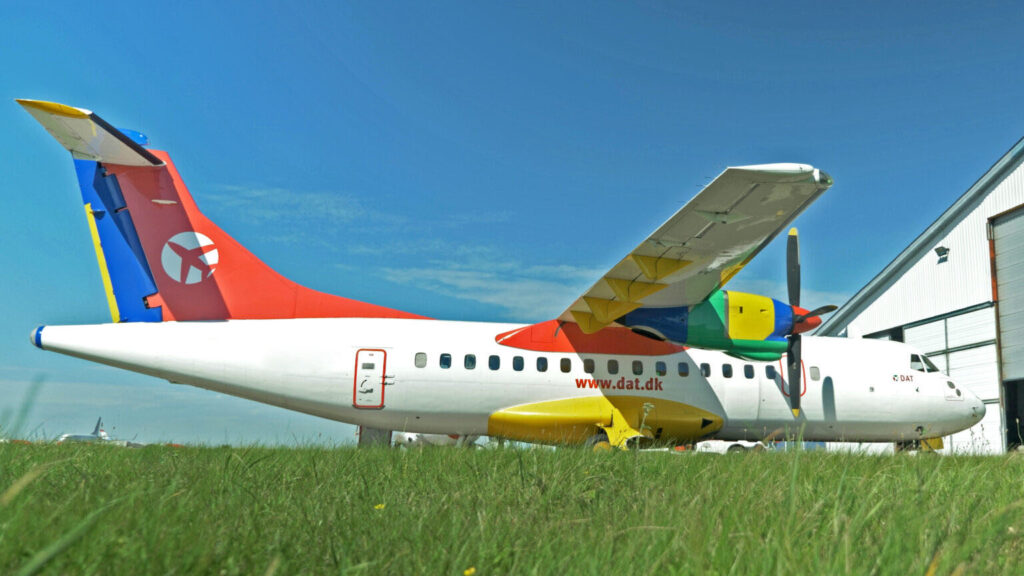
Meet the ATR 42-320: your regional workhorse designed to conquer challenging routes where larger jets simply can’t compete. This twin-turboprop champion excels at connecting smaller cities and remote communities with remarkable efficiency. Forget long taxi queues or massive terminals – this aircraft thrives where infrastructure is limited, turning heads at compact airstrips that others bypass.
Its robust design delivers rock-solid reliability for operators. Twin Pratt & Whitney Canada PW120 engines provide ample power, ensuring dependable performance even in demanding hot-and-high conditions or shorter runways. Need to connect two regional hubs quickly over mountains or coastal routes? The ATR 42-320’s maximum range of 850 kilometers opens up vital connections efficiently, linking communities that depend on regular, punctual air service. It consistently delivers passengers and cargo where they’re needed most.
Step inside the surprisingly spacious cabin configured for up to 50 passengers. Forget cramped regional jet experiences – the high-wing design and wider fuselage create an airy, comfortable environment with generous headroom and large windows offering stunning panoramic views. The efficient 1-2 seating arrangement maximizes personal space while streamlining boarding and deplaning. Operators appreciate the flexible cabin layout options, accommodating everything from standard passenger configurations to mixed passenger-cargo combis or dedicated freight setups – perfect for shifting market demands.
More impressively, the ATR 42-320 masters short-field operations. Its rugged landing gear and efficient turboprop propulsion allow operations from runways that would ground other aircraft types. This translates directly to opening up new revenue streams in underserved markets. Think island hopping, mountain communities, or connecting resource-rich but remote areas. That versatility is pure gold for airlines building resilient regional networks.
Forget fuel-guzzling jets on short sectors. The ATR 42-320 sets the benchmark for turboprop efficiency, slashing operating costs significantly. Lower fuel burn means better economics and a reduced environmental footprint per seat mile – a critical advantage today. Maintenance crews know these airframes well, appreciating their straightforward systems and proven durability, which translates to impressive dispatch reliability and lower upkeep expenses over time.
In essence, the ATR 42-320 isn’t just an aircraft; it’s the backbone of regional connectivity. It bridges gaps in the air transport network with unmatched operational flexibility, passenger comfort that exceeds expectations, and economics that keep routes profitable. For airlines focused on sustainable, efficient regional service, this turboprop remains an incredibly smart choice, turning challenging routes into reliable successes.