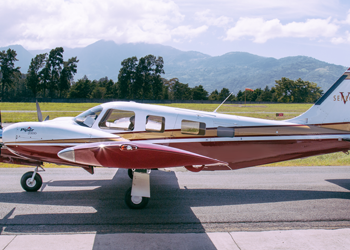
Picture yourself slicing through the clouds in aviation’s original twin-engine charmer—the Cessna 310R. This icon doesn’t just connect cities; it redefines regional travel with piston-powered precision. Twin Continental engines propel you at 357 km/h, turning routes like Chicago-St. Louis or Berlin-Paris into effortless morning commutes. You’ll land before colleagues finish airport security lines.
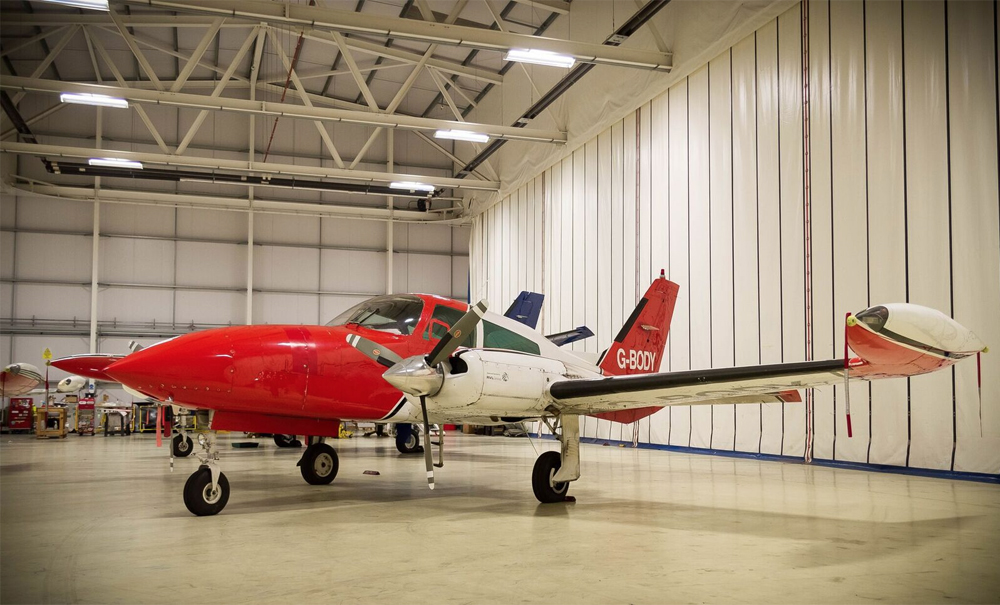
What separates the 310R? Its lightweight airframe hides brilliant engineering. Notice the wingtip tanks boosting range to 1,426km while stabilizing cruise. Clever placement tucks baggage compartments behind the cabin—no wrestling suitcases mid-flight. Five occupants enjoy surprising legroom in a cabin designed before ‘cramped’ entered aviation dictionaries. Leather-wrapped yokes and quilted seats whisper vintage luxury, proving comfort doesn’t require a Gulfstream’s square footage.
Flying the C310 feels like conducting an orchestra—every control responds with balanced harmony. Those signature engine nacelles? They’re not just pretty; they generate lift while housing retractable gear. You’ll appreciate the safety margin twin engines provide crossing Great Lakes or mountain passes. And forget modern glass cockpits—here, analog dials provide immediate tactile feedback, connecting pilot to machine in ways digital displays can’t replicate.
Operators cherish its runway versatility. Load five passengers with bags and you’ll still clear obstacles on sub-3,000ft strips. Maintenance crews praise straightforward access to components—no dismantling interiors for routine checks. It’s this no-nonsense practicality that’s kept 310Rs flying for 50 years while flashier contemporaries retired.
Forget calling it retro. This aircraft remains a benchmark—proving efficiency and elegance coexist. When you want travel uncomplicated by hub chaos or operating costs that devour budgets, the answer awaits with twin tails and timeless swagger.