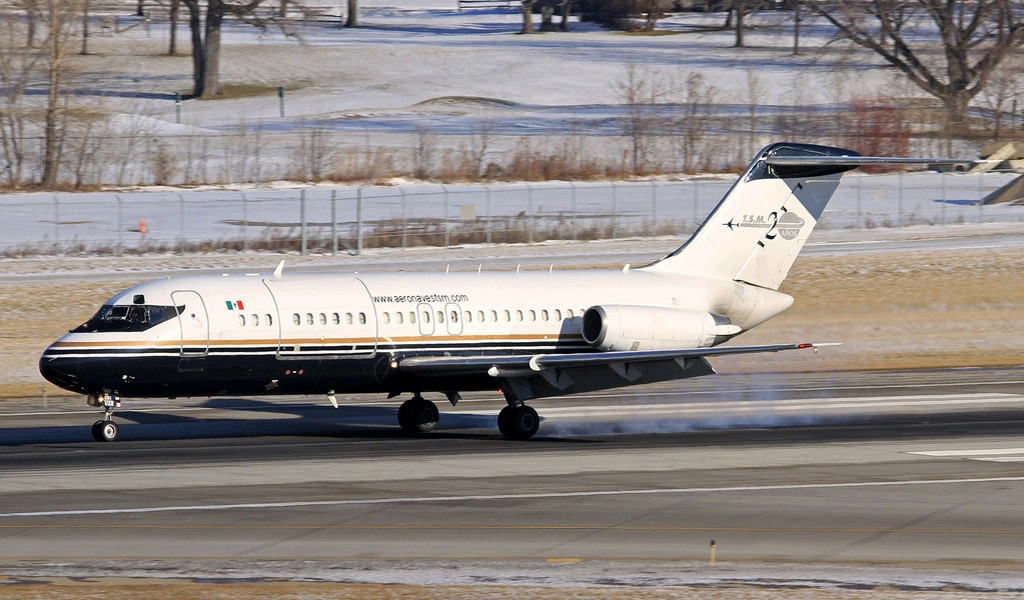
Before the McDonnell Douglas DC-9-10 came along, regional air travel was a bit of a mess. We’re talking cramped turboprop planes making short flights, and passengers were just itching for something faster and more comfortable. Then this twin-engine jet burst onto the scene and completely changed the game for regional jets. It wasn’t just about hopping between nearby cities anymore; the DC-9-10 could fly nonstop for over 1,450 miles, which is about 2,340 kilometers. This new flexibility let business travelers zip between important hubs and secondary markets without needing to deal with the chaos of major airports.
So, what made all this possible? The engineers at Douglas started with a fresh idea, focusing on efficiency and making sure passengers could get on and off quickly—super important for short flights. They placed those twin Pratt & Whitney JT8D engines high at the back of the plane, which really cut down on noise compared to the engines mounted on the wings back then. Once you stepped inside, you could feel the difference right away. The plane had a roomy straight aisle and a wider cabin for its class, allowing airlines to fit up to 135 passengers in comfort with more legroom and headroom than the competition. Those big windows let in a lot of natural light, making it feel less cramped than smaller jets.
When it came to performance, the DC-9-10 was no slouch. With a great thrust-to-weight ratio, it could take off quickly from shorter runways, reaching airports that jets hadn’t been able to reach before. It climbed rapidly, slicing through turbulence to hit smooth cruising heights fast. Pilots loved how it handled and its strong systems were built for the busy demands of regional flying. While later versions could go farther, the original -10 model was super agile, making it perfect for navigating tight and busy airfields. It was designed from the ground up to work hard every day.
For airlines, the numbers worked out great. Lower costs per seat-mile along with the ability to charge more for the speed and comfort of jets versus turboprops meant it was a financial hit. Passengers also preferred it, choosing routes on the quieter, smoother DC-9-10 with their wallets. This jet wasn’t just a mode of transport; it made a real difference in regional travel. It didn’t just fit into a spot; it created one, showing that efficient and comfy jet services could thrive on routes that often got ignored. The DC-9-10 didn’t just take to the skies; it blazed a trail for a whole new era in aviation.