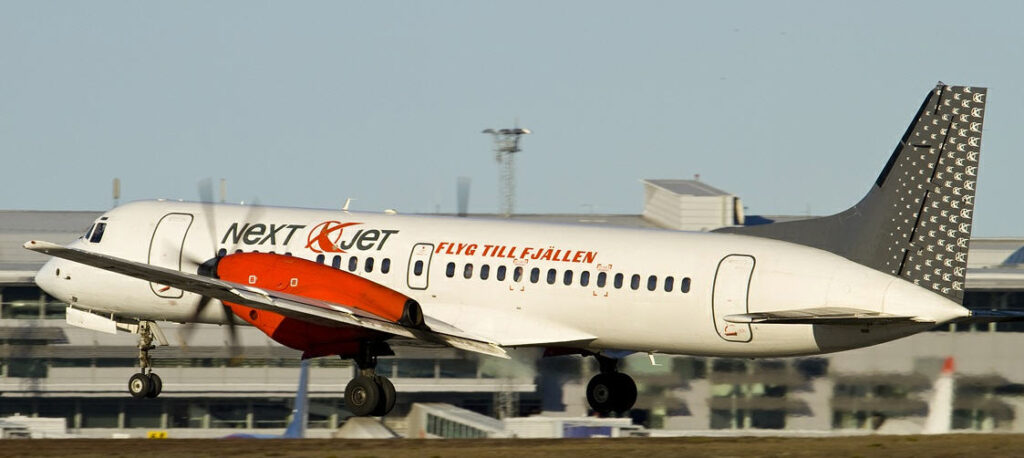
Picture this: You’re gliding through cloudscapes at nearly 500 km/h, yet the cabin around you feels more like a premium railcar than a cramped commuter plane. That’s the BAe ATP experience—a turboprop workhorse that redefined regional travel without compromising passenger comfort. Let’s unpack why aviation aficionados still celebrate this engineering standout decades after its debut.
Performance punches far above its weight class. Twin Pratt & Whitney engines propel the ATP at a brisk 496 km/h cruise speed—zipping you from London to Edinburgh in under an hour. But here’s the kicker: It achieves this while sipping fuel like a miser, translating to lower operating costs and greener skies. With a 1,825 km maximum range, it conquers routes like Paris-Marrakech or Tokyo-Seoul effortlessly, turning tedious stopovers into distant memories.
Step aboard and the cabin whispers luxury where you’d least expect it. That 2.5-meter width? Genius. It creates space for wide leather seats in a roomy 2-2 layout, banishing shoulder-rubbing misery forever. Imagine stretching your legs without knee-crunching compromises—a revelation on shorter hops. For operators, the 68-passenger capacity hits the regional sweet spot: profitable load factors without sardine-can vibes. Oversized windows flood the interior with natural light, while advanced insulation muffles engine hum to conversation-friendly levels.
Clever touches abound. Notice how the overhead bins swallow roll-aboards whole? That’s thoughtful design eliminating gate-check chaos. Maintenance crews adored its accessibility—critical components nestled within easy reach, slashing downtime. And pilots? They’ll rave about the docile handling, even when autumn gales batter the runway.
What truly sets the ATP apart is its split personality: rugged enough for gravel strips in the Arctic, yet polished enough for executive shuttle duty. While flashier jets grab headlines, this unassuming marvel delivers where it counts—merging operating thrift with human-centered comfort. For airlines threading the needle between economics and passenger experience, the ATP remains a masterclass in balanced design. It’s proof that in regional aviation, sometimes the quiet contender outshines the divas.