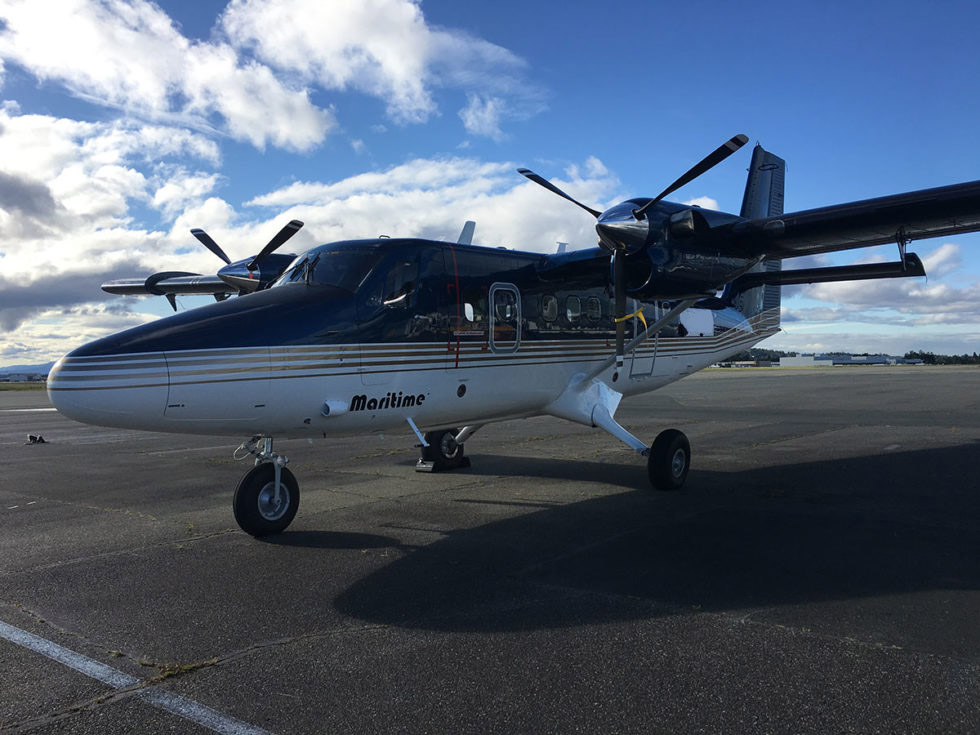
Meet the DHC-6-300 Twin Otter: Aviation’s ultimate Swiss Army knife. This legendary turboprop doesn’t just connect points A and B; it conquers terrain others wouldn’t dare approach. Imagine landing on a gravel bar, a mountain plateau, or a remote island beach – that’s where the Twin Otter truly comes alive. Its short takeoff and landing (STOL) performance is nothing short of remarkable, turning unpaved, rough strips into viable runways. No paved runway? No problem. This aircraft thrives where infrastructure ends.
Step inside the surprisingly spacious cabin designed for 20 passengers. You’ll find a rugged, utilitarian charm paired with genuine comfort for its class. Large windows flood the interior with light, offering passengers stunning panoramic views whether skimming mountain peaks or coastal waters. It’s a cabin built for purpose, efficiently moving people and cargo where they’re needed most. Think of it as a reliable workhorse with enough passenger comfort for the journey.
Power comes from two robust Pratt & Whitney Canada PT6A turboprop engines, renowned for their reliability and efficiency. These engines deliver the muscle needed for those incredibly short takeoffs and the steady, reassuring power for cruising over challenging landscapes. With a maximum range stretching 1,427 kilometers (approximately 770 nautical miles), the Twin Otter efficiently links remote communities, supports vital resource operations, or handles specialized charters in a single hop. Its cruise speed strikes the perfect balance between covering ground efficiently and allowing passengers to truly absorb the unique landscapes below – a perspective few other aircraft can offer.
Operators globally swear by the Twin Otter’s legendary toughness and straightforward maintenance. Its simple, robust design minimizes downtime and keeps operational costs manageable, a critical factor for missions in austere environments. Versatility defines it: one day it’s ferrying workers to an oil rig, the next it’s transporting vital medical supplies, conducting vital survey work, or carrying tourists seeking adventure off the beaten path. Decades after its introduction, the DHC-6-300 remains an aviation icon – not just for what it does, but for *where* it can go. It’s the indispensable link for the world’s most inaccessible places.