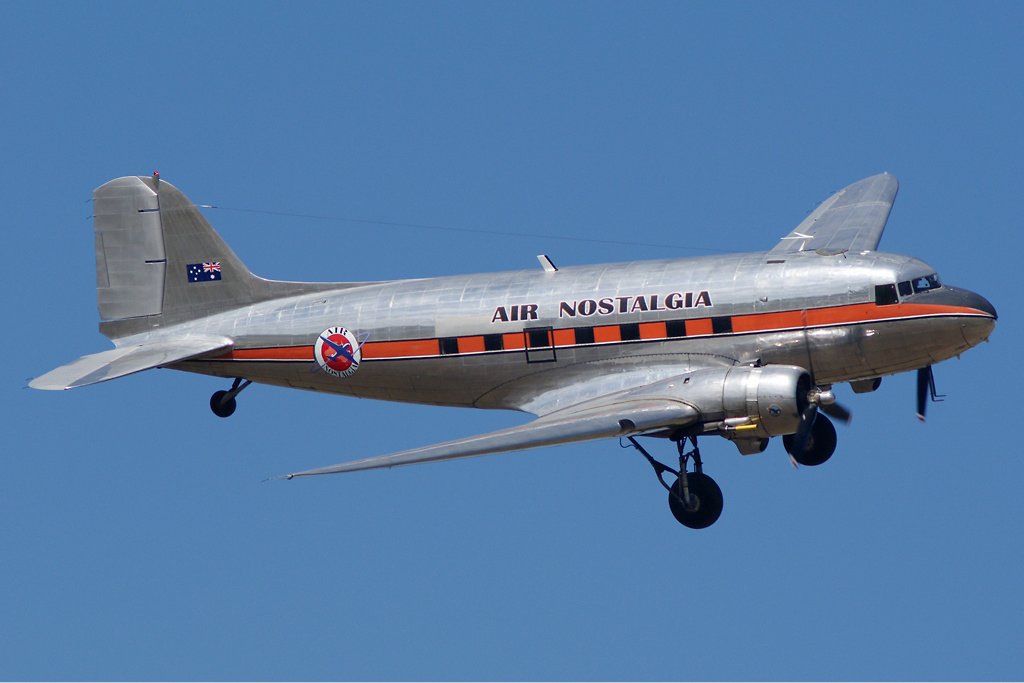
Imagine an aircraft that didn’t just fly but built connections across the globe. The Douglas DC-3 wasn’t just about transporting passengers; it changed the game for how people interacted across distances. This amazing twin-engine plane redefined air travel during the golden years of aviation, bringing together power and comfort that made long flights not just doable, but enjoyable.
What really made the DC-3 stand out was its incredible reliability. Pilots trusted its easy handling and tough build that could take on bad weather without a hitch. That impressive 2,400 km range wasn’t just a fancy number—it meant you could fly between cities like Chicago and Los Angeles without needing to stop for gas when that seemed like a dream. You’d glide smoothly at 180 knots, enjoying the view from wings that sailed through any bumps.
Step into the cabin and you’ll see why airlines loved this workhorse. Those 32 seats weren’t crammed in like today’s tiny economy classes; Douglas designed it to give passengers room to breathe with wide aisles and big windows. Back in the day, the cabin felt downright fancy, with soundproof walls and clever insulation that kept engine noise down. Passengers could chat easily over hot meals made in a small kitchen—pretty groundbreaking when most planes offered cold sandwiches.
The magic was in the details: Douglas engineers were ahead of their time with ideas for cabin pressurization, though the full tech came later. They made the landing gear super tough, so landing on grass or rough runways was no big deal. That iconic nose-up position in flight? It was pure brilliance—giving stable cruising while allowing shorter takeoffs from smaller fields. Maintenance teams loved how easy it was to work on; everything was right there, no need for acrobatics.
Even decades after its 1935 debut, DC-3s are still flying all over the world—a clear sign of solid engineering that prioritized real performance over bells and whistles. Sure, modern jets can zoom by faster, but none have the unique charm of this classic. When you spot that familiar shape soaring against the sunset, you’re seeing a piece of aviation history that isn’t fading away. The DC-3 didn’t just rule its time; it earned lasting admiration by making the incredible seem easy.