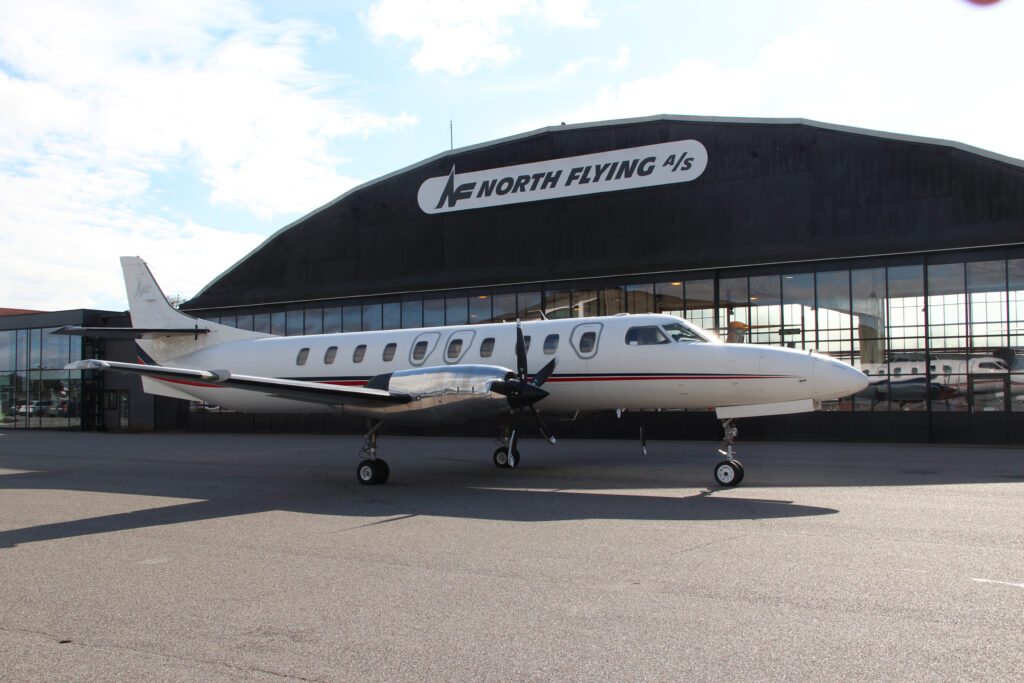
Meet the Fairchild Metro 23 – the quiet champion of regional flying that really proves it’s built tough. Imagine this: you hop on a turboprop that can zoom at 500 km/h while you enjoy your coffee without spilling a drop. That’s the Metro 23 for you. Its two Pratt & Whitney Canada PT6A engines don’t just hum along; they give you serious power whether you’re climbing over mountains or cruising along the coast.
Ever tried packing 18 coworkers into a regional plane without everyone bumping elbows? The Metro 23’s cabin has got it covered with smart design. Tall ceilings and big windows turn what could be a cramped flight into an open, comfortable space. And those rectangular fuselage shapes? They’re smart for giving you extra headroom while keeping the storage big enough for golf clubs or sales samples.
Now let’s get into real-world performance. That 2,408 km range isn’t just talk – it means you can fly nonstop from Chicago to Miami or tackle six quick trips between London and Paris without stopping for fuel. Pilots love its ability to take off and land on shorter runways, staying relaxed about 3,000-foot runways that would stress out other regional jets. You can land on gravel strips or foggy airstrips that end where the water starts.
What really makes this plane stand out? Its straightforward mechanics. Maintenance crews love how easy it is to work on, with systems that don’t always need fancy diagnostics for every little issue. Those heavy-duty landing gear? They can handle rough runways easily. While flashier jets need a soft touch, the Metro 23 excels where others wouldn’t dare to go – like oil rig supply runs, mountain clinics, or late-night shipments through storms.
For those keeping an eye on costs, here’s the best part: this airframe racks up 40,000 flight hours like it’s nothing. Resale prices stay high because repair shops can almost bring them back to life from scraps. So the next time you see that unique T-tail against a stormy sky, remember – it’s not just transporting people. It’s connecting remote communities and keeping businesses running when bad weather stops everything else. That’s a legacy that no spreadsheet can measure.