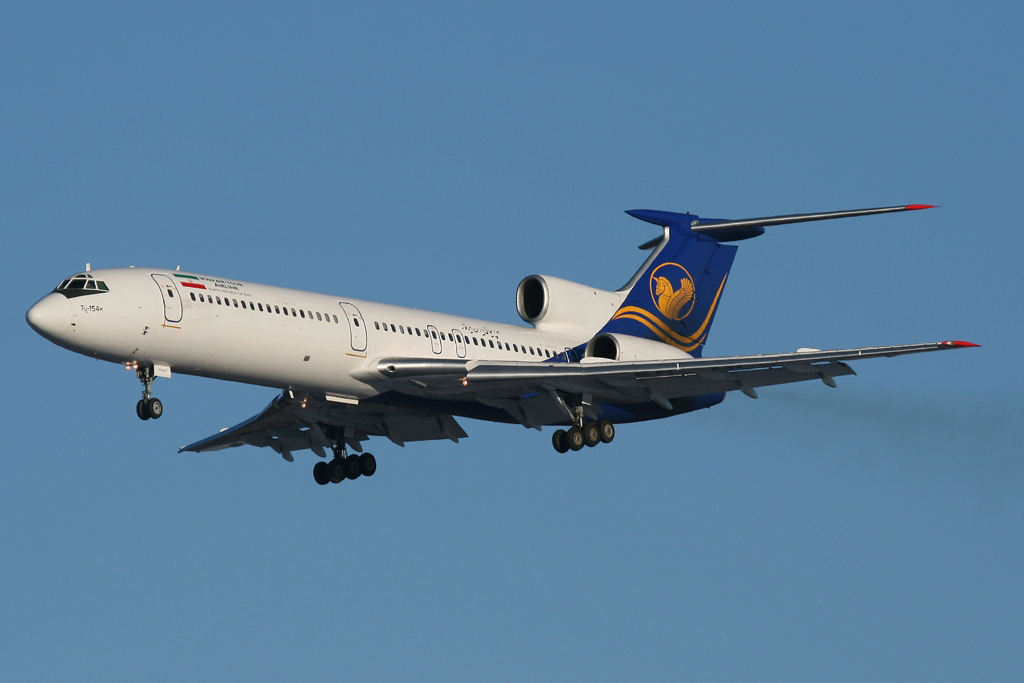
Meet the Tupolev Tu-154: Aviation’s Uncompromising Workhorse. Forget delicate luxury liners; this Soviet-era trijet carved its legend through sheer rugged capability. Picture a steel swallow engineered for punishing routes where reliability trumped frippery. Its three rear-mounted Kuznetsov engines delivered the muscle to conquer remote Siberian airstrips and icy runways where lesser aircraft feared to tread.
Step inside, and you’ll find a cabin built for purpose. Generous headroom (2.02 meters) and impressive width (3.58 meters) translate to practical space – enough room for 148 souls on high-density layouts, or comfortably configured for fewer. It wasn’t about marble counters or lie-flat suites; the Tu-154 offered robust functionality. That wide aisle? It meant efficient boarding and deplaning, a vital asset for bustling state airlines and charter operations. Large windows bathed the interior in natural light, making even longer regional hops within its 3,200-kilometer range feel less confined.
Performance defined its soul. Pilots navigated challenging conditions with confidence, thanks to robust systems and exceptional field performance. Its high-lift devices, including sophisticated slotted flaps, allowed operations from shorter, less-than-perfect strips – a lifeline connecting vast, underserved territories. Cruising efficiently at high subsonic speeds, it mastered the demanding schedules of Aeroflot and its peers, linking cities across the USSR, Eastern Europe, and beyond.
What’s more, the Tu-154M variant, arguably the pinnacle of its development, incorporated significant refinements. Quieter Soloviev D-30KU engines cut the racket and boosted efficiency. Advanced avionics, including an early triple-redundant automatic landing system, enhanced safety margins in low-visibility approaches, letting pilots lock onto the glidepath with impressive precision.
No frills here, just relentless capability. Think of it as the heavy-duty pickup truck of the skies – tough, spacious, and utterly dependable where infrastructure was sparse. Its distinctive silhouette, crowned by those three tail-mounted engines, became an unmistakable symbol of Cold War air travel. While quieter, more efficient jets eventually took its place, the Tu-154 earned its place in history. It conquered harsh environments, moved masses efficiently, and proved that sometimes, unadorned strength and unwavering performance are the ultimate luxuries for getting the job done.